
Back in 2023, OpenAI sent a team of its own engineers into Morgan Stanley to build a tool for the bank's wealth advisers. Getting the tech to work took about 6 to 8 weeks. Getting the advisers to trust it enough to use it with real clients took another 4 months, with OpenAI's engineers with them the whole time.
I've been thinking about those numbers a lot this week.
SpaceX just paid $60 billion dollars for Cursor, more than Elon paid for Twitter. And to be clear, I’m not knocking Cursor, its part of the stack we used to build our own 100 School site. Within the same few days, OpenAI said its training an army of 300,000 consultants to go and set up its software inside companies. Huge money, and nearly all of it going on building the tool and getting it through the door.
OpenAI themselves basically came out and said it: the thing holding companies back from getting value out of AI isnt the model anymore.
Window into the Future
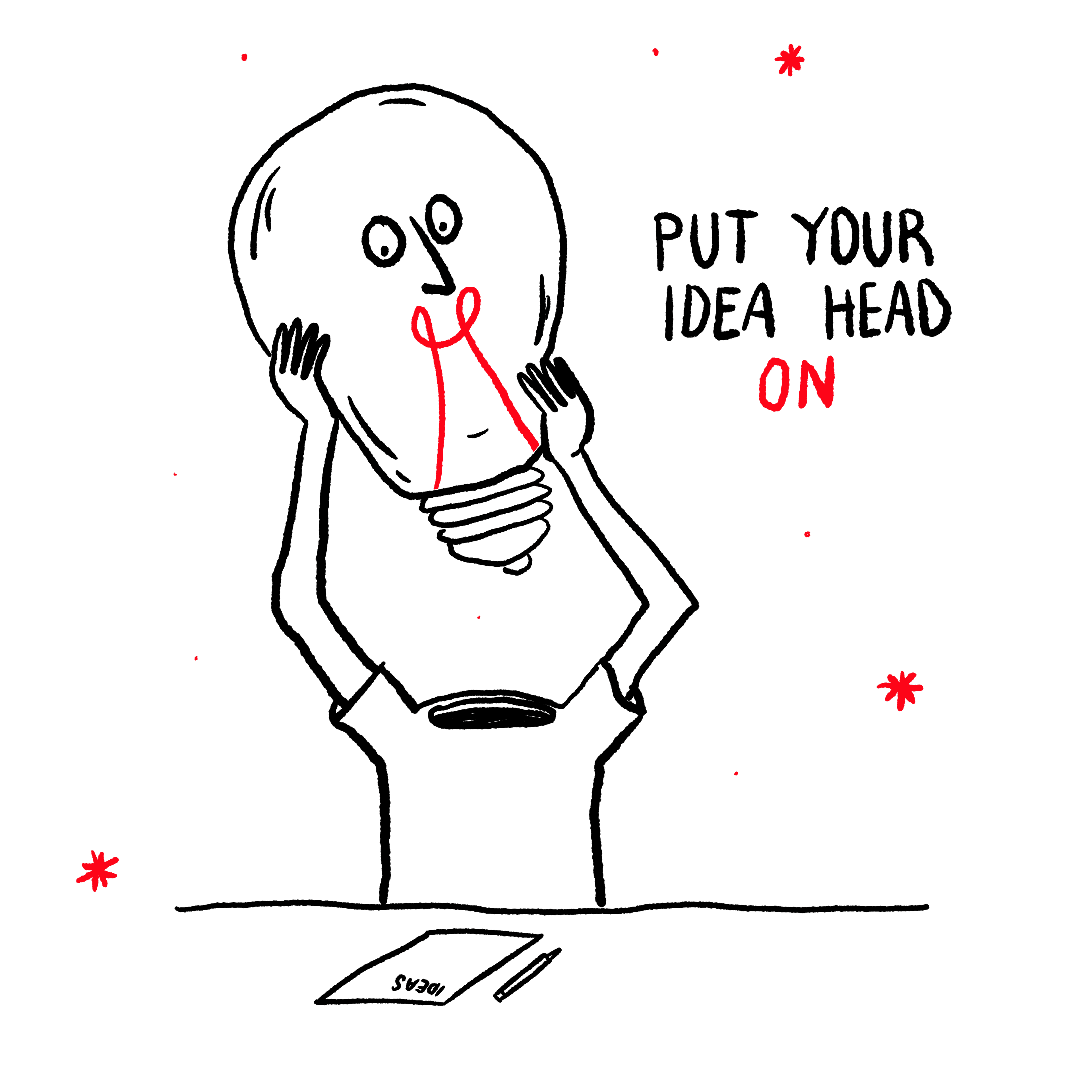
Everyone keeps asking what AI's going to do to their job. I get the worry but a more useful question is who on your team is going to be the person that gets everyone else to use this stuff?
because that person is going to matter way more than people realise right now and at the moment, almost no one is doing the job.
Think about where last week's money actually went. $60 billion on Cursor, 300,000 consultants lined up to go and set the software up. And getting normal people to change how they work with this day to day gets almost nothing. I’m a bit annoyed at myself for how long it took me to properly see that.

BCG actually put a number on this that stuck with me. They reckon about 70% of the value companies get from AI comes from people changing how they work, not from the tech itself and yet the spending is almost all going to the tech.

but how do you become that person? A few things, and none of them are technical, I promise.
1. First, stop talking about AI and just show it. Pick the one task your team openly hates and do it with AI, right in front of them. People copy people. A colleague sharing in Slack how they use AI to get something done does more than any all-hands slide on AI strategy ever will.
…but research out of Atlassian found that if you admit you used AI, your colleagues rate you as 10 times lazier and are far less likely to put you forward for the good, visible work. However, in teams where people use it out in the open and the wins get talked about, that flips completely, and the AI users end up looking like the sharp ones. So dont hide it. the more openly you use it, the easier you make it for everyone around you to do the same.

2. Second, sit with the AI sceptic. the person you want is the one working around the tool the old way, nodding along in the meeting and ignoring the whole thing the moment it ends. Winning that one person over is most of the job. Think back to Morgan Stanley: the four months wasnt a tech problem, it was a trust problem.
3. Third, and this is the one that wears me out: please dont run a training. Im so tired of the one-hour AI workshop everyone forgets. Just sit next to one person and do one real task on their actual work, together. What you're after is a habit, and habits dont come from watching a video.
4. The fourth one is the one everybody skips. Stick around long enough that the new way just becomes the normal way. One of our clients, HiBob, has been doing this with us for 18+ months. 15 mins of AI a day is the habit they kept feeding, which is exactly why it worked.
And the role itself is starting to exist now: Stripe is hiring someone to embed with a team of marketers and coach them, one workflow at a time, until working with AI is simply how that team operates. This is a job that didnt have a name a year ago.

5. and the last one might be my favorite: when one person finally cracks it, don’t keep it to yourself. Show the next person, or better, get the one who cracked it to show them. We ran our 15 day of AI challenge with one content team at Headway, and two other teams signed themselves up based on the content team’s results. No one told them to, they just watched it working for their colleagues and wanted in.
which brings me back to those Morgan Stanley numbers. The money this year is still pouring almost entirely into the tech. Soon enough everyone's working off the same models and the same apps, and having the best one wont count for much. What sets one team apart from the next will be something far less shiny. Whether there’s someone there who can get a room full of people to work differently. You dont need a budget, or a title, or anyone's permission to be that person. You can start this Monday.
Ready to build real AI capability
Get weekly insights on adoption, team rituals, and practical workflows — straight to your inbox.